Video · 44 min · Watch on YouTube ↗
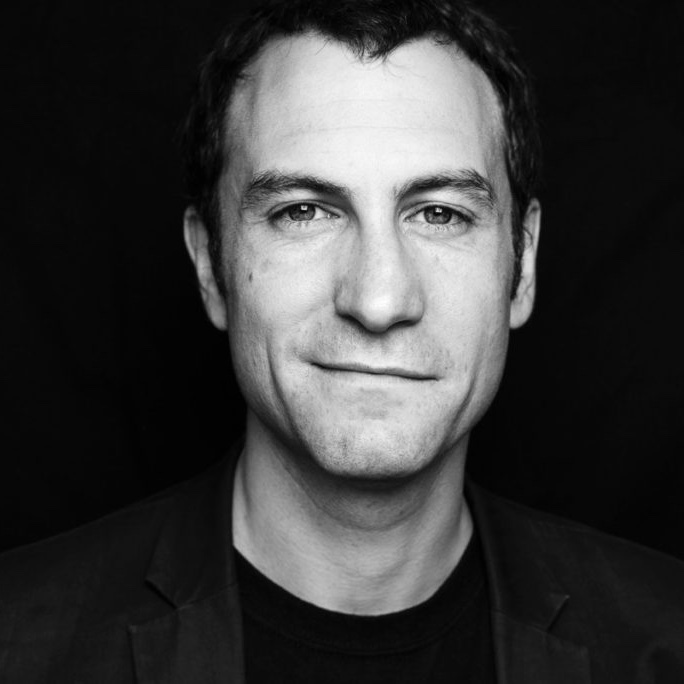
Dougald Hine joins Rufus Pollock to reflect on how Ivan Illich’s ideas are finding new relevance today, a century after his birth.
At the heart of the discussion is what Dougald calls Illich’s real thesis: that industrial society produced an unprecedented, previously unimaginable kind of helplessness. Until recently, most humans, in households and communities, could grow their own food, care for their sick and dying, and hand down skills and culture from one generation to the next. Illich’s work, from Deschooling Society onward, traces how that capacity was quietly stripped away and outsourced to institutions — schools, hospitals, experts — until it became illegal, in practice, to care for a sick neighbour or build your own home.
Dougald and Rufus talk through why the answer isn’t nostalgia for a pre-industrial past, and why Illich insisted on holding the paradox: salvaging what’s genuinely good from modernity while relearning the skills of becoming less dependent, less helpless, and living, as Illich put it, among the “rests”: the remnants, silences, and pockets of rest still worth gathering around.
Dougald Hine is a writer and co-founder of the Dark Mountain Project and School Called Home — a project marking Illich’s centenary this year with gatherings held around the world: Illich at 100. Dougald also mentions David Cayley’s books, which are introduced in A testament of friendship.