- Next run
- 28 Oct – 4 Nov 2026
- When
- Weekdays, 15:30–17:00 CET
- Format
- Six live sessions of 90 minutes
- Price
- €20, refunded if you attend all six
- Language
- English
Humans cooperate at a scale no other animal does. We went from bands of a few dozen to villages, cities and nations of millions, and each jump came from new institutions and culture: ritual, kinship, law, money, the state. We also fail to cooperate in ways that could be catastrophic: arms races, overused commons, the race to build AI. These are collective action problems (sometimes called Moloch, or the multipolar trap), and they sit at the centre of the metacrisis.
This course looks at both sides: why cooperation fails, how it has been made to work, and what it would take at planetary scale. It is a prototype: the material is being developed as the course runs, and the outline below may change.
- Led by
- Rufus Pollock
- A working vocabulary: prisoner’s dilemma, stag hunt, tragedy of the commons, free riding, multipolar trap.
- The main answers to “how does cooperation happen at all?”, from repeated interaction and Ostrom’s commons to the state and the treaty.
- A picture of how cultural evolution has scaled cooperation, and what it has cost.
- A way to look at AI, climate and nuclear risk as cooperation challenges, with a sense of what has and hasn’t worked.
Why it matters now
Why care about collective action problems? How they relate to war and arms races, climate change, runaway AI and the metacrisis.
Stag and Moloch
Why do rational, decent people end up in outcomes none of them want? Prisoner’s dilemma, stag hunt, tragedy of the commons, public goods and free riding, some basic game theory, and the many names: multipolar trap, race to the bottom, Moloch. A collective action problem is also a collective action opportunity.
How do we ever cooperate?
The cooperative ape; Olson on group size; repeated interaction and the shadow of the future; Axelrod and Nowak on the evolution of cooperation; Ostrom’s design principles for governing a commons; why it gets harder at scale.
Cooperation among strangers
The state as a collective action technology; changing the payoffs with taxes, subsidies and property rights; Schelling on commitment and arms races; polycentricity; what made Montreal, Kyoto, non-proliferation and fisheries agreements work or fail.
Cultural evolution
How we got from bands of 150 to a planet of 8 billion: cultural group selection, ritual and manufactured kinship, war as a ratchet, moralizing gods, and trust among strangers. And the bill: in-groups need out-groups.
The planetary turn
What cooperation at planetary scale would require. Why nation-states and markets can’t hold AI, climate and the biosphere; why this enlargement is unlike the others (there is no outside); widening the circle of moral concern; Thich Nhat Hanh and a religion of Interbeing.
Anyone interested in what lies beneath some of the biggest challenges of our time, from AI governance to climate change. You might be interested if you work on or care about the commons, institutional design, cultural evolution, community-building or technology governance, or if you’ve come across Moloch or the metacrisis and want to go a level deeper.
No prior game theory or economics needed.
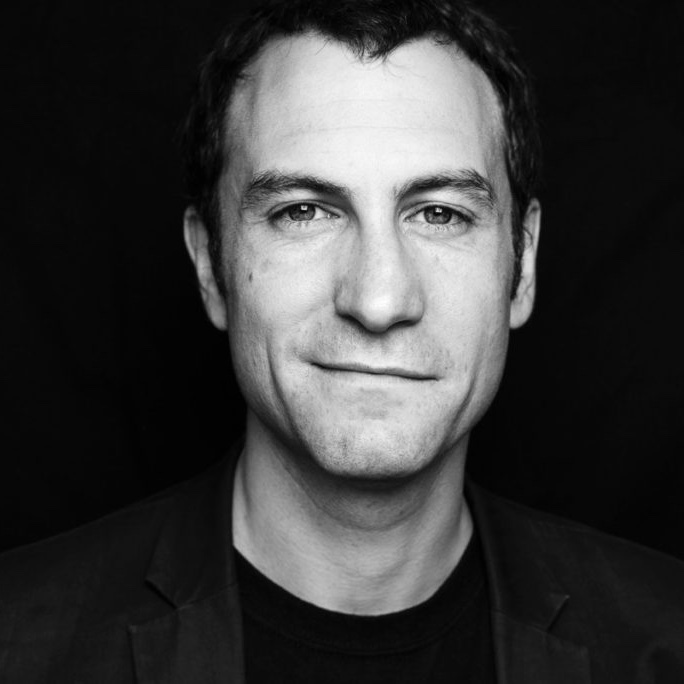
Rufus Pollock
Is a co-founder of Life Itself, a Cambridge-trained economist (PhD), and co-initiator of Seeds of Renaissance.
28 Oct – 4 Nov 2026 · Weekdays, 15:30–17:00 CET
6 sessions online · €20, refunded if you attend all six
Register